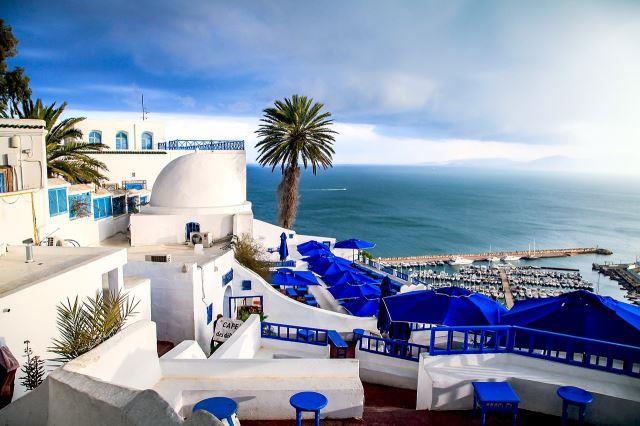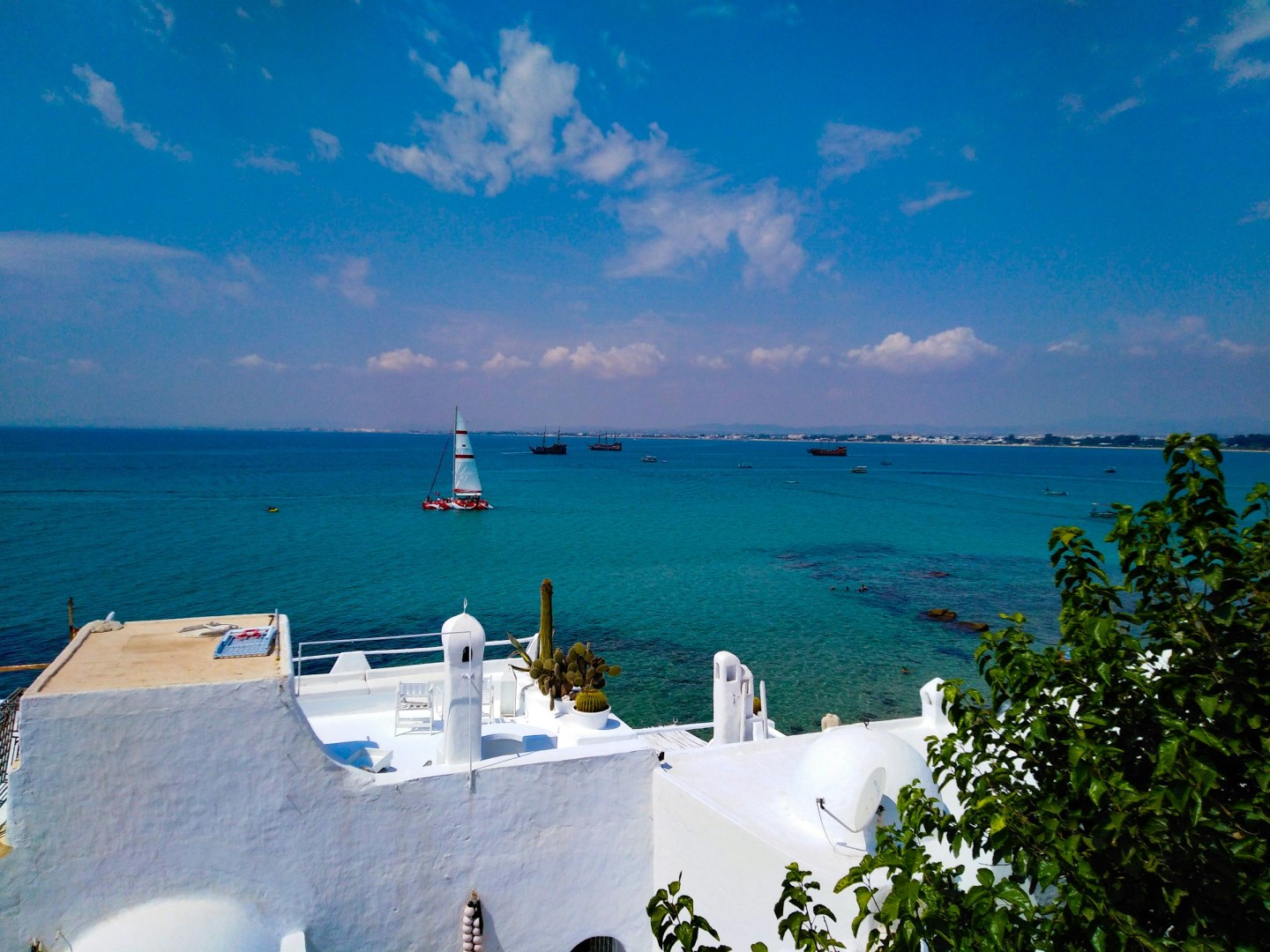
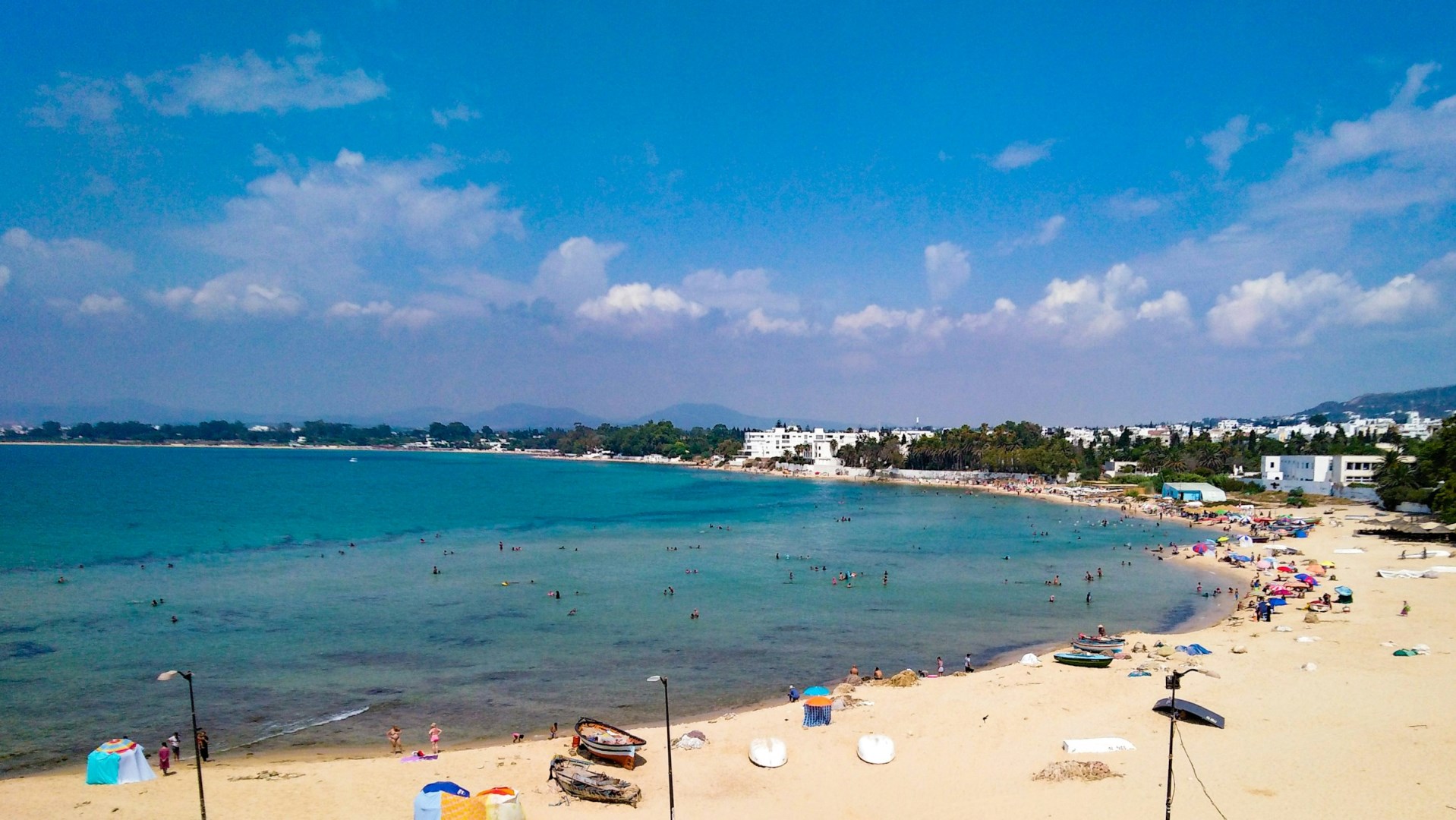
Hammamet is a coastal town on Tunisia’s Cap Bon peninsula, known for its sandy beaches, whitewashed houses, jasmine gardens, and historic medina beside the Mediterranean. The town combines a long-established fishing and agricultural identity with a major seaside tourism district, including Yasmine Hammamet to the south. Citrus groves and cultivated fields extend inland, while the shoreline provides sheltered bays and broad beaches. Hammamet’s compact old town, enclosed by walls and facing the sea, gives the destination a distinctive architectural character that contrasts with the larger hotels and marina found in the newer resort areas.
Hammamet’s history is reflected in its fortified medina and the Hispano-Turkish fort overlooking the bay. The settlement was once associated with fishing and farming before developing into an important coastal resort. The town also became a meeting place for artists and writers, particularly around Dar Sebastian, a villa built according to local architectural traditions with Art Deco influences. Today, the building houses the International Cultural Centre of Hammamet and remains associated with the town’s artistic identity. Traditional crafts sold in the medina include pottery from nearby Nabeul, woven carpets, foutas, and hammered copper goods.
The medina is the main historic attraction, with narrow lanes, white and blue buildings, the fortified walls, and views toward the Mediterranean. The fort occupies a corner of the old town and provides a prominent landmark along the waterfront. South of the historic center, Yasmine Hammamet has a marina, beaches, hotels, and the Medina Mediterranea complex, which recreates elements of a traditional walled town. The wider Cap Bon region offers citrus orchards, vineyards, fishing villages, and beaches, while nearby Zaghouan provides access to mountain landscapes and the remains of the Roman water system that supplied ancient Carthage.
Hammamet’s food reflects the coastal and agricultural character of Cap Bon, with seafood, olive oil, vegetables, citrus fruits, couscous, and spicy sauces common in local cooking. Jasmine is closely associated with the town and is used in traditional garlands and fragrances, especially during the warmer months. Nearby Nabeul is well known for its pottery and flower essences, making its crafts closely connected with the wider regional culture. Hammamet also hosts the International Festival of Hammamet, an established cultural event featuring music and theatre at the town’s open-air cultural venue. The combination of seaside life, crafts, gardens, and historic architecture defines the town’s local identity.